Forschungs-Blog
Klimademo Vis-à-Vis
Klimaneutralität
Forschungsprojekt Überkategorie
-
Publikation
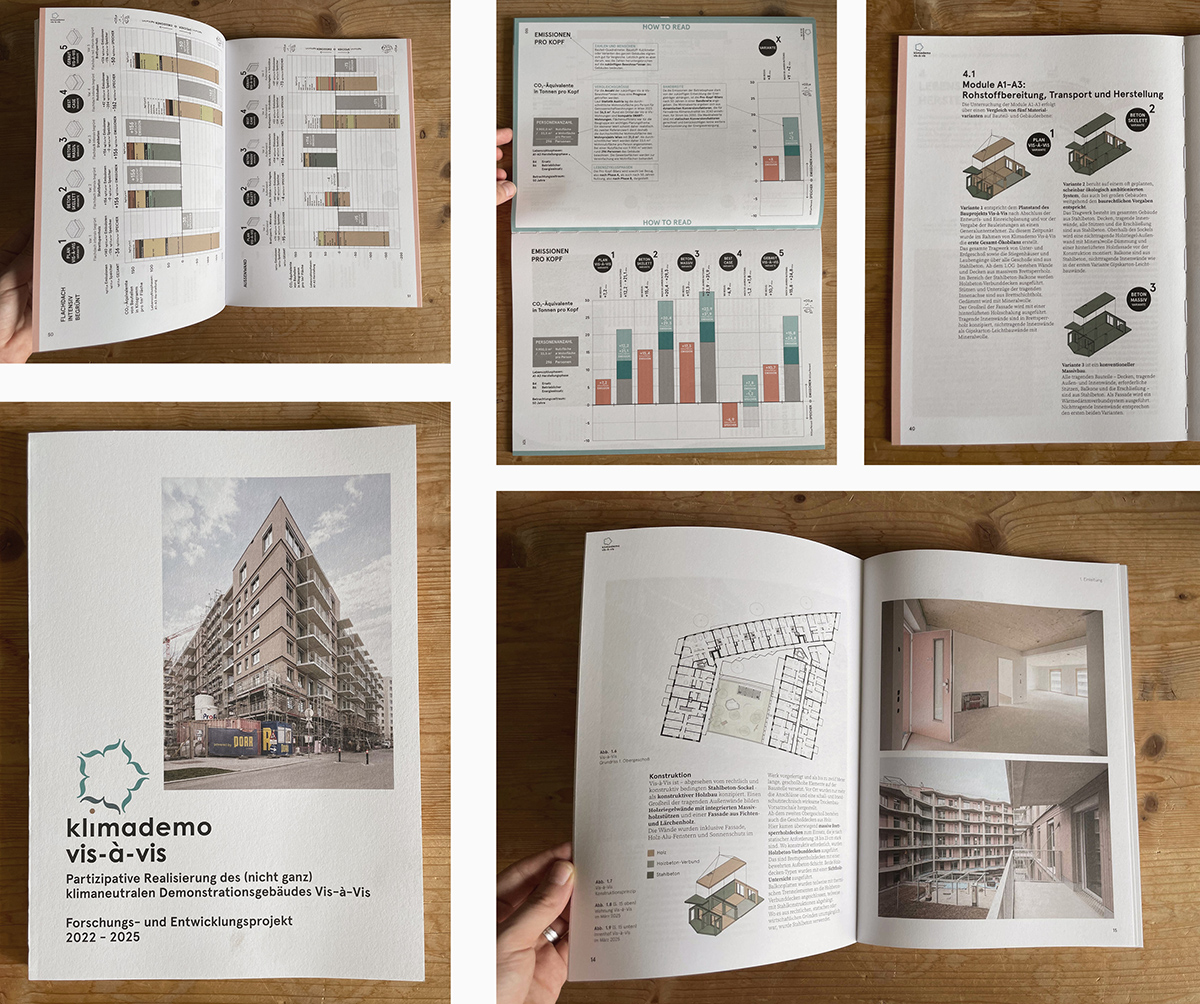
Wir ziehen ein und erhalten neben den Schlüsseln auch ein druckfrisches Exemplar der Publikation über unser Klimademo-Haus.
-

Bau in bewegten Bildern
Ein Zeitraffer-Video zeigt den Bau des Vis-à-Vis. Vom ersten Beton bis zur finalen Dachterrasse.
-

Weissenseer- floating house
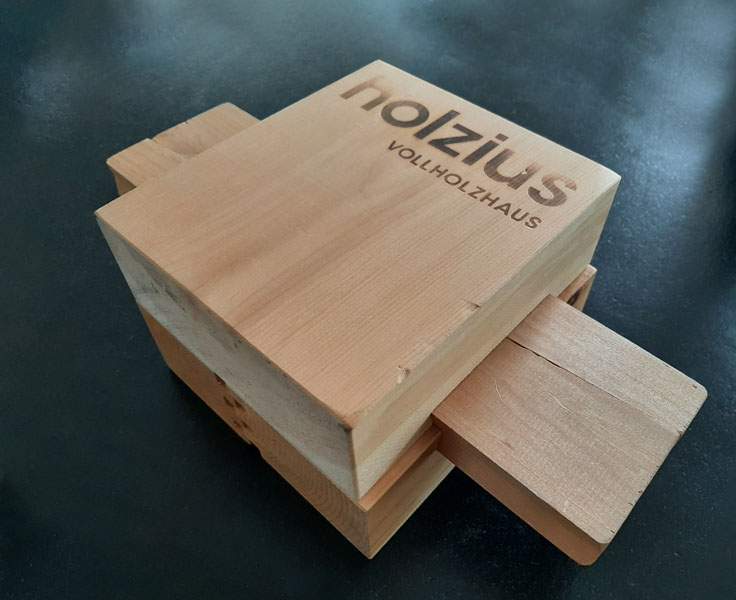
During an excursion to the place where our house is prefabricated, we visited a remarkable example of innovation. The exchange of ideas with Dutch visitors led to a new use of ancient carpenters‘ know-how.
-
Wohnungsvergabe-Workshop 2024
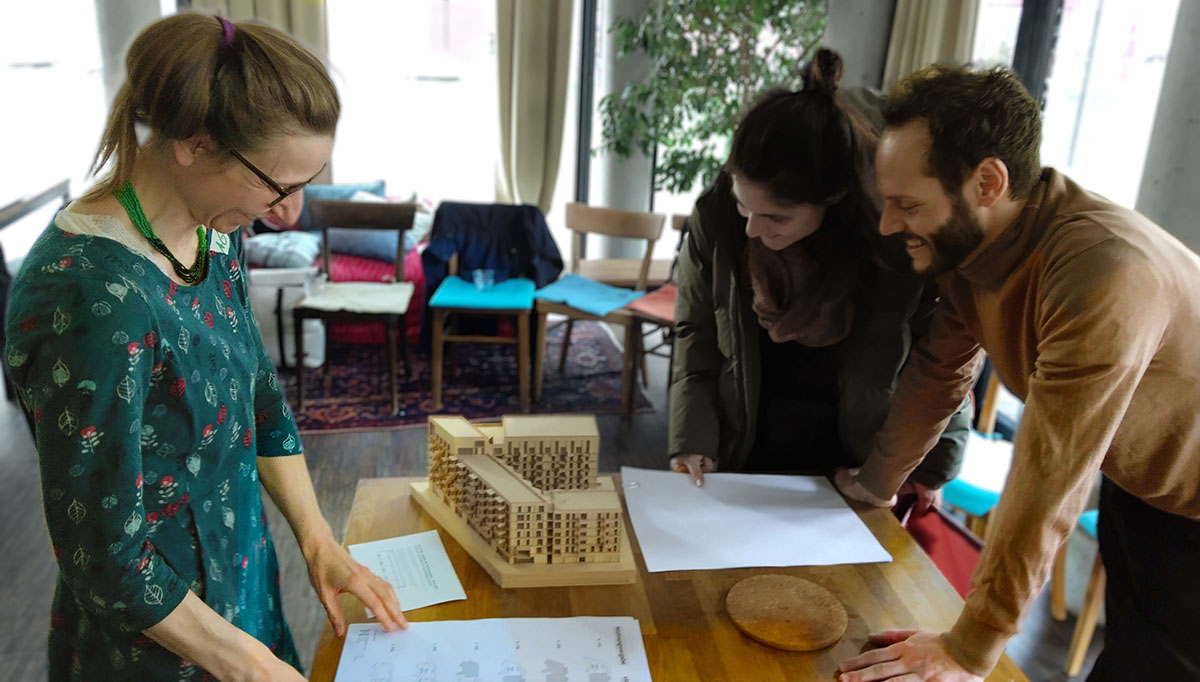
Vis-à-Wien hat Ende 2023 mit der dritten Erweiterungsrunde neue Mitglieder aufgenommen. Mit „systemischem Konsensieren“ hat jeder der neuen Haushalte bei einem Workshop eine der noch freien Wohneinheiten zugeteilt bekommen.
-
Modular und nachhaltig – Holzbauvideo
Ein Videobeitrag von unserem Holzbaumeister Ing. Christoph Weissenseer zur Zukunft des Holzbaus im urbanen Bereich
-
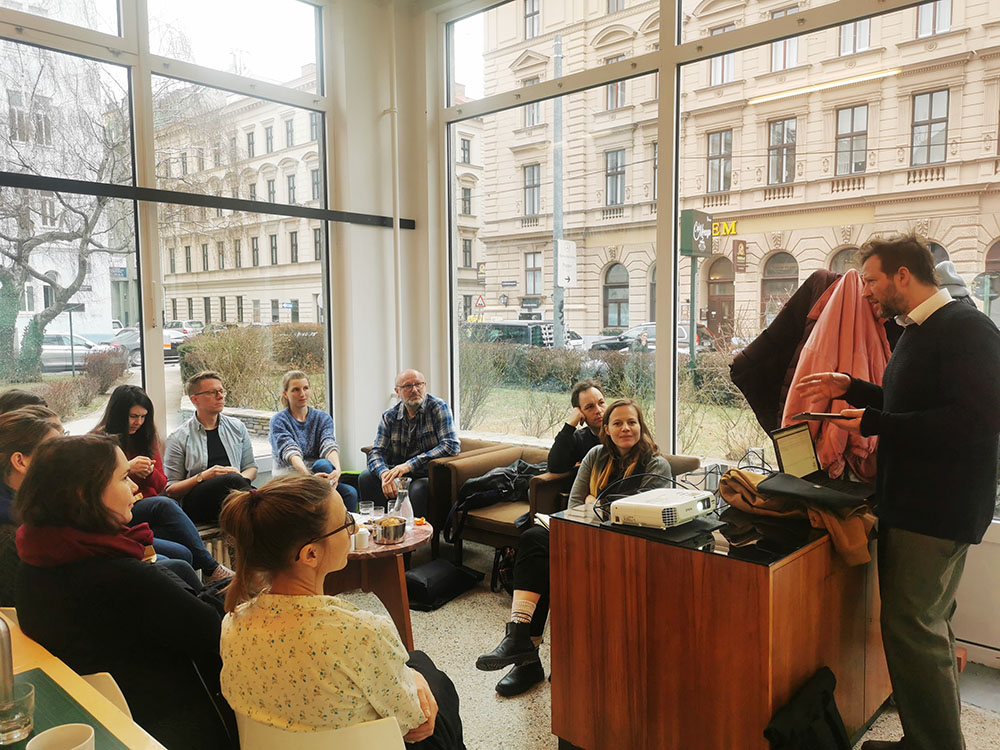
Re-Use für die Grätzlküche
In Zusammenarbeit mit den Materialnomaden planen wir die Gestaltung unserer Grätzlküche aus Re-Use-, also wiederverwendeten Materialien.
-
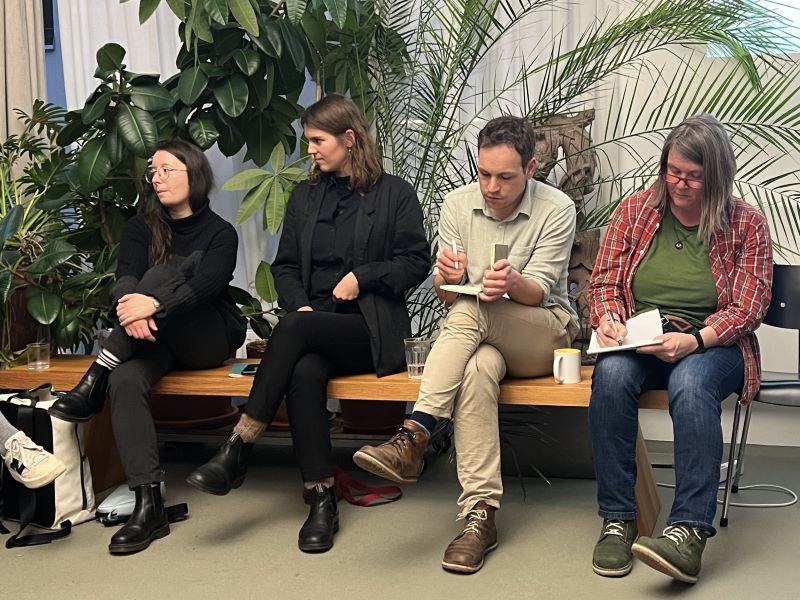
It is cheap, ecological and available
In a series of public meetings we discuss specific themes to generate input for our research project. The first of these “Echo Spaces” was on the topic of organic isolation materials. We discussed in particular the use and possibilities of straw.
-
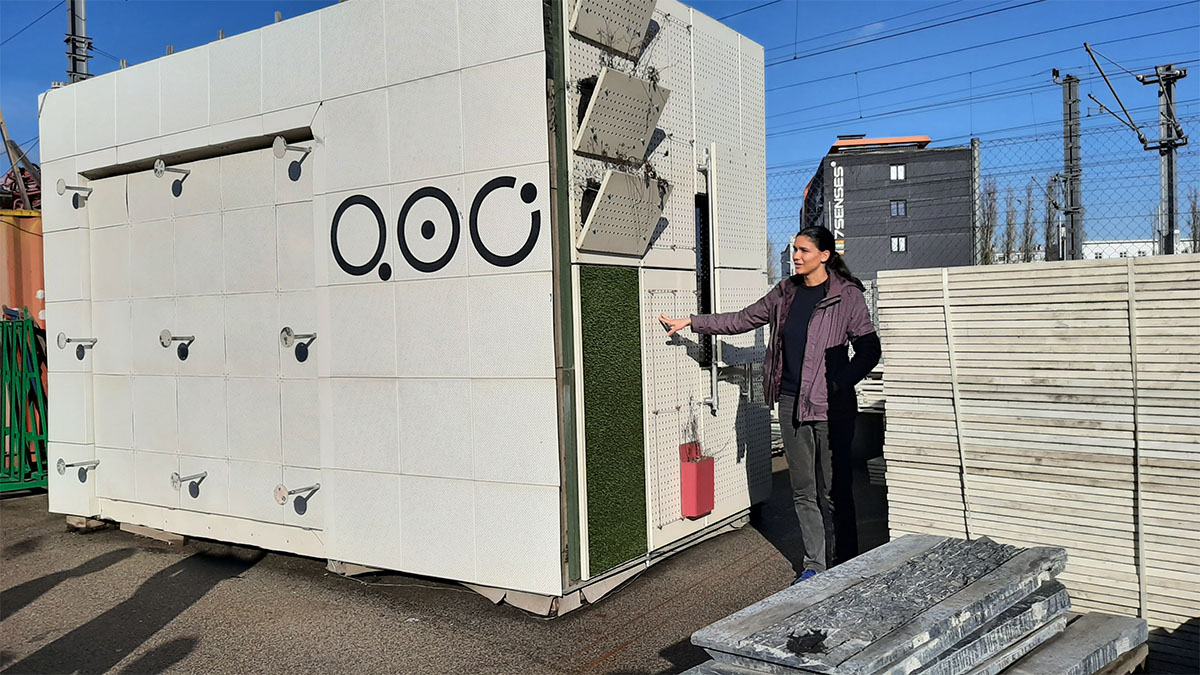
Vorschau Zweiter Workshop Materialnomaden
Wir planen unseren zweiten Workshop mit den Materialnomaden
-
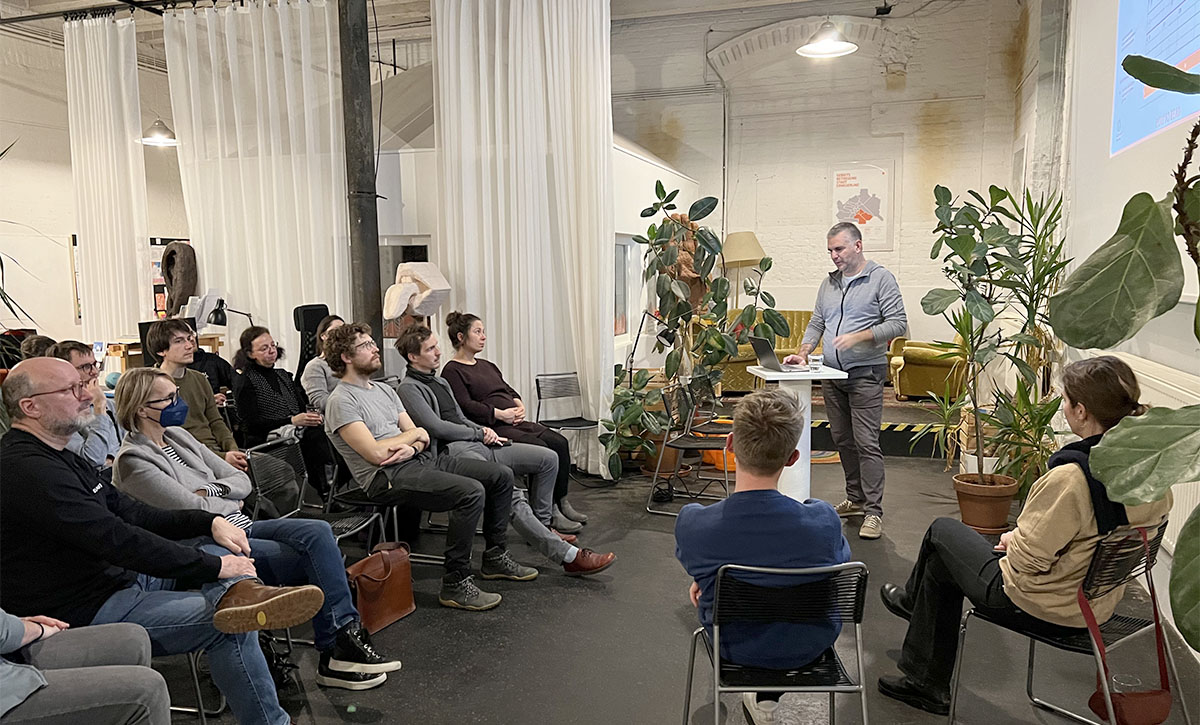
KlimaTische-Diskussionen
Über die Auseinandersetzung und Diskussionen der Baugruppe mit dem klimafreundlichen Bauen.
-
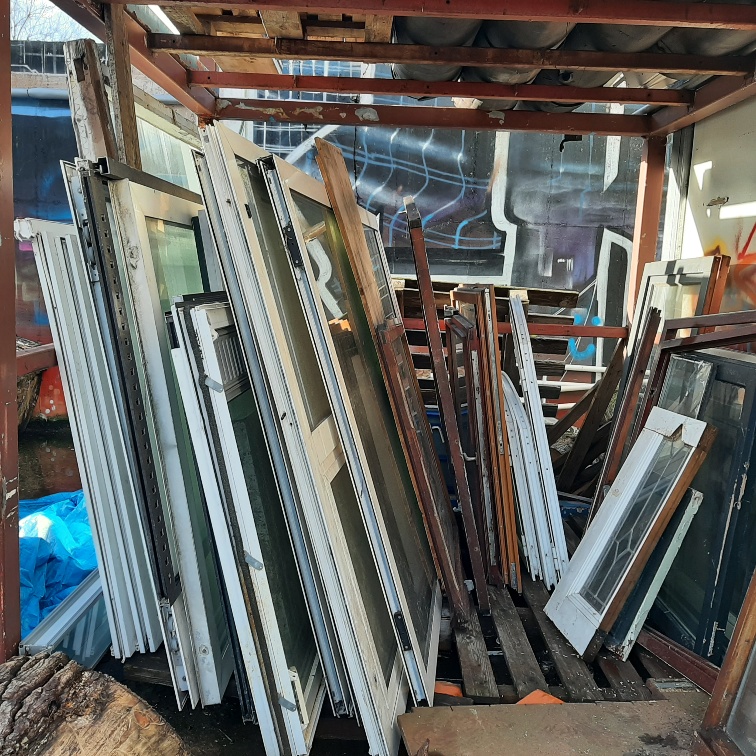
Mountains don’t have cardboard
The post-use phase of a building: It is mostly a matter of quick demolishment and dumping the ‘waste’. The experts on the matter explain that it has to do with time and money. At the moment it is for instance much cheaper to make plasterboard by carving the gypsum from a mountain, than by recycling…
-
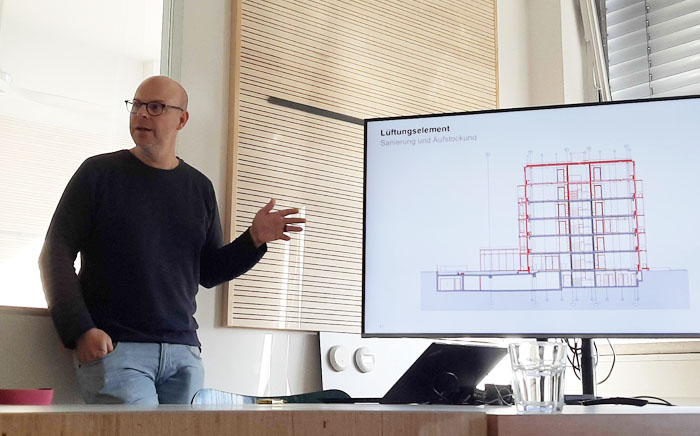
Understanding built climate neutrality
We visit Transsolar KlimaEngineering to learn about climate assessments and a building’s life cycle.
-
Berge sind kartonfrei
Die Nachnutzungsphase eines Gebäudes: Meist geht es um den schnellen Abriss und die Deponierung des „Mülls“. Das habe mit Zeit und Geld zu tun, erklären die Expert*innen. Im Moment ist es beispielsweise viel billiger, Gipskartonplatten herzustellen, indem man neuen Gips aus einem Berg schürft, als alte Materialien zu recyceln. Wie können wir in unserem Gebäude…
-
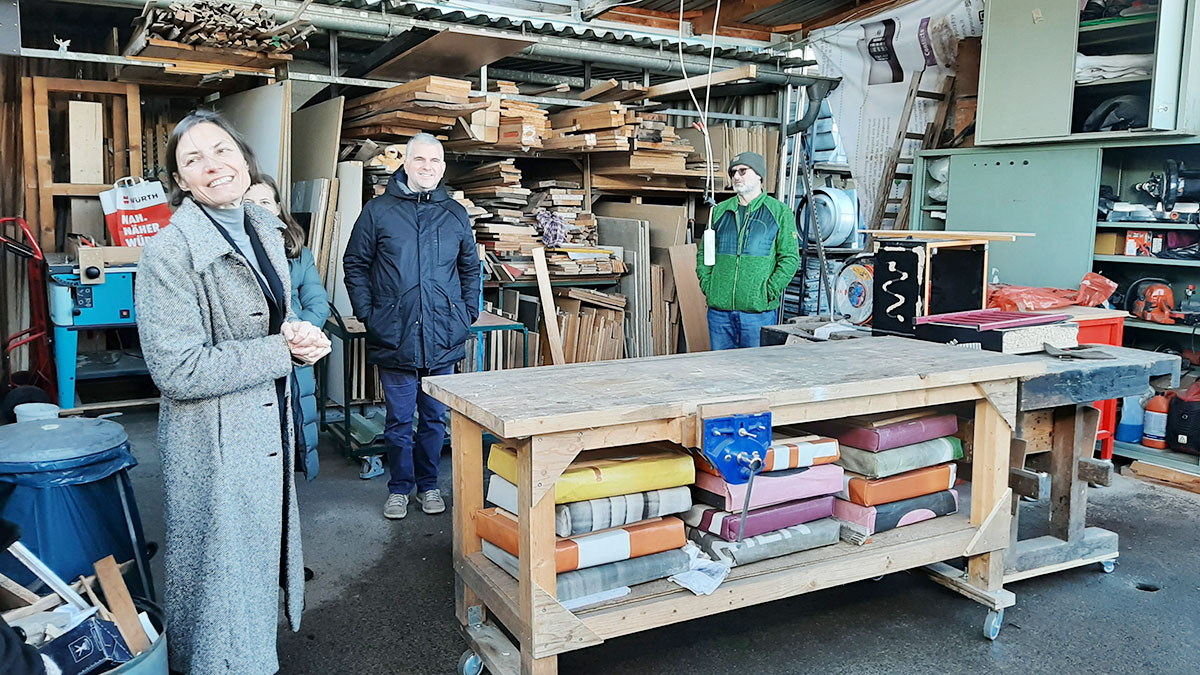
Materialnomaden
In Kooperation mit den Materialnomaden gestalten wir die Grätzlküche. Der erste gemeinsame Workshop definierte die Grundlagen und brachte uns die Möglichkeiten und Schwierigkeiten beim Einsatz von Re-Use-Materialien näher.
-
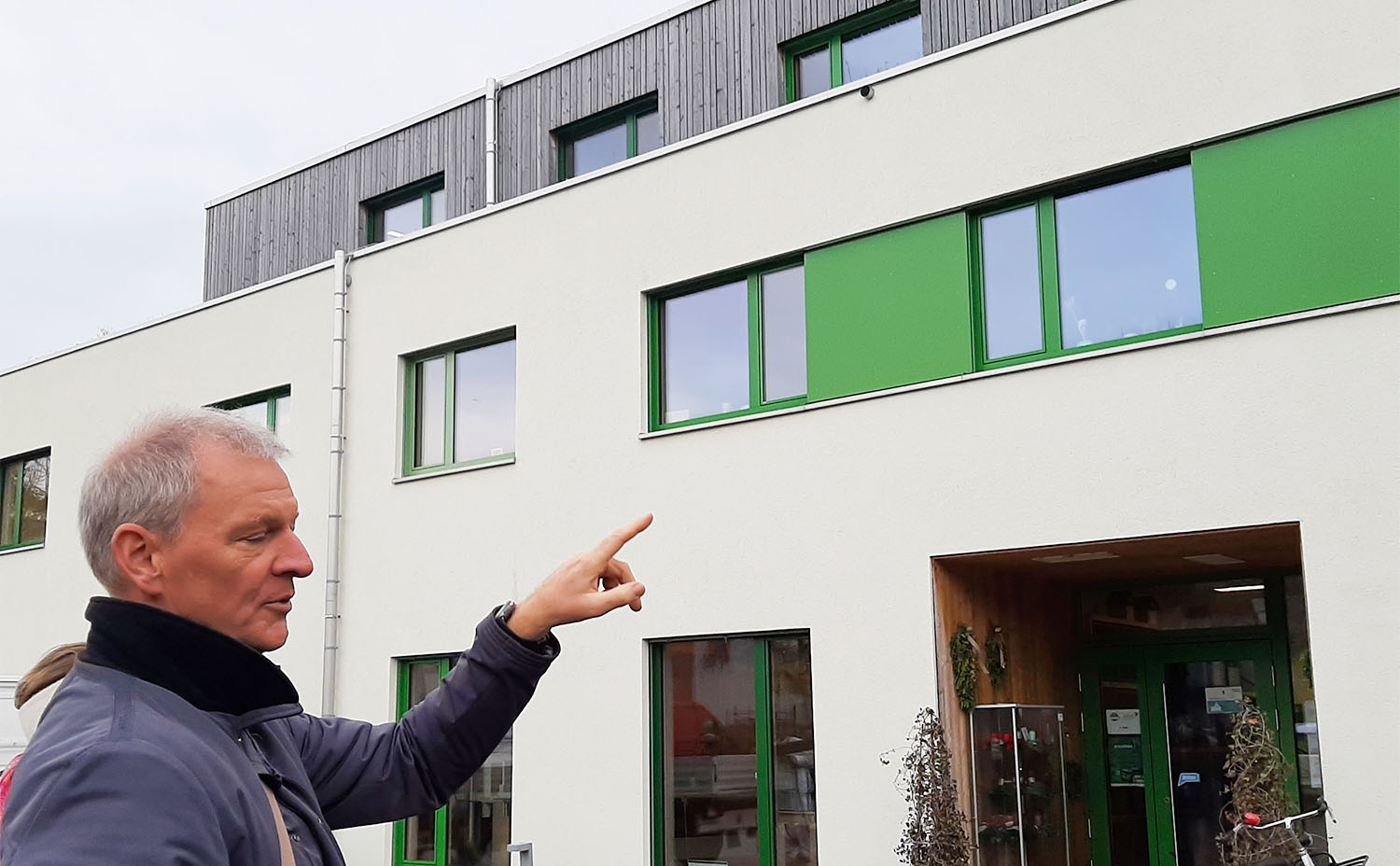
Lernen vom Haus des Lernens
Das Haus des Lernens ist ein österreichisches Vorzeigeprojekt, was das Bauen mit nachwachsenden Materialien betrifft.
-
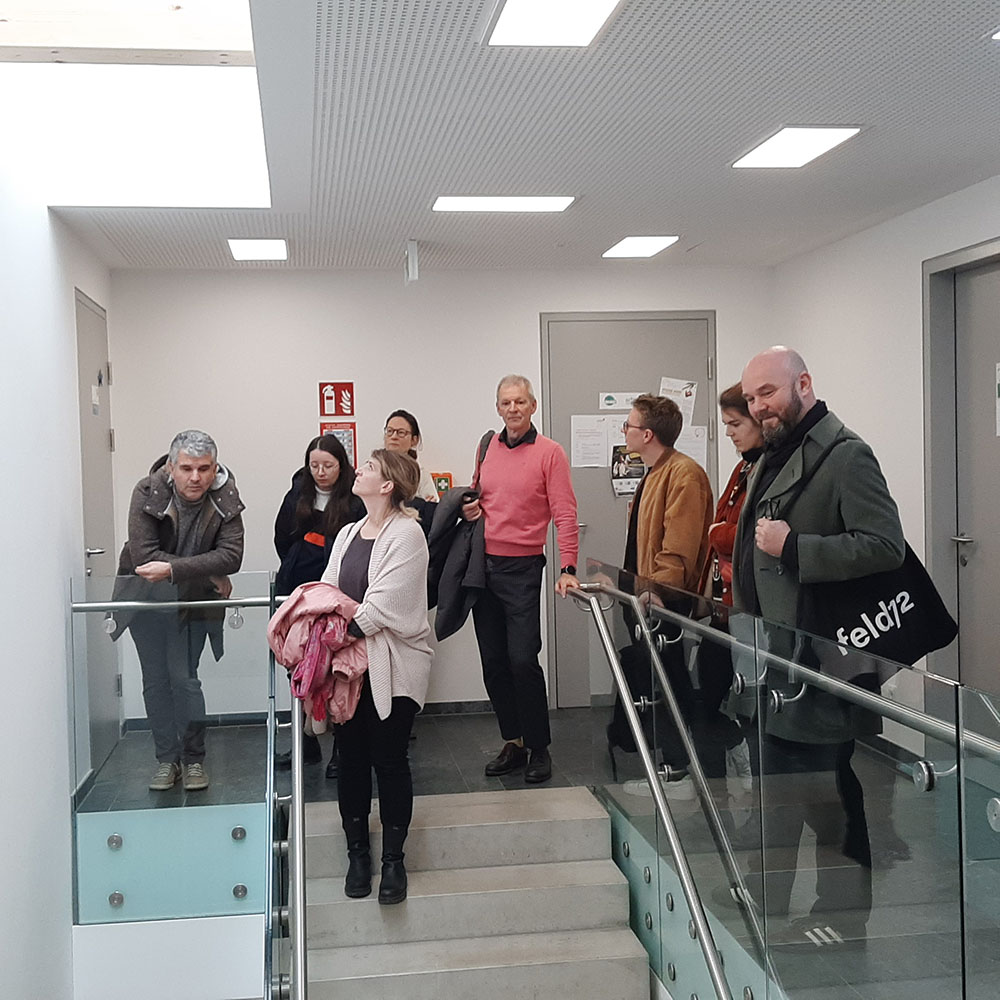
Applying biobased materials
Excursion to the House of Learning to study the application of biobased materials. Walls are made of wood frames filled with straw and plastered with mud. Even the elevator shaft is made of wood.
-
Climate neutrality – even before you move in
Taking early measures during the planning and construction phases and smart materials could ensure climate neutrality even before you move in.
-
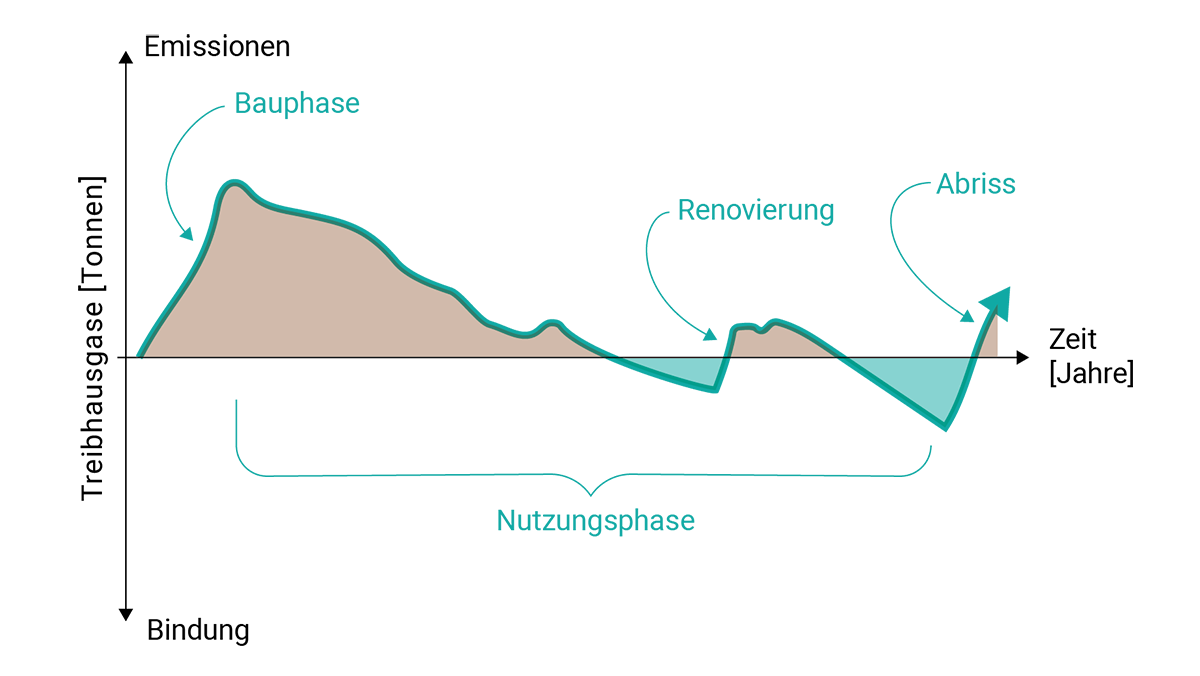
Klimaneutrales Bauen verstehen lernen
Bei einem Besuch bei Transsolar lernen wir über das Klimabilanzieren. Der ökologische Fußabdruck eines Gebäude wird gesamtheitlich betrachtet.
-
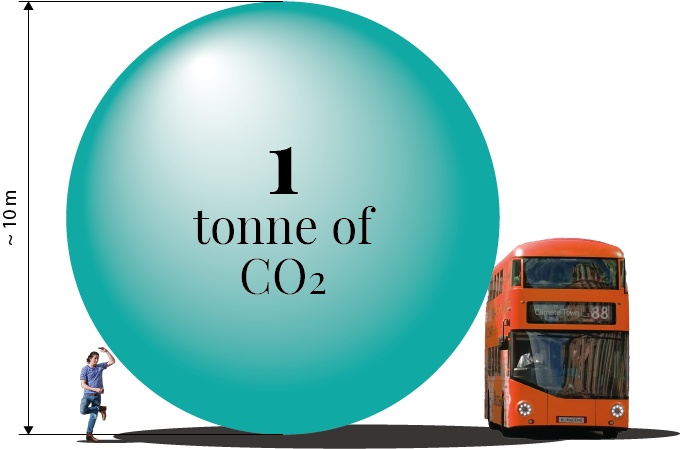
Numbers and their meaning
What is a tonne of CO₂? Is it much, little, big, small? The experts of IBO, the Austrian Institute for Building and Ecology help to figure things out. As a team we try to get a grip on how climate neutral our building is.
-
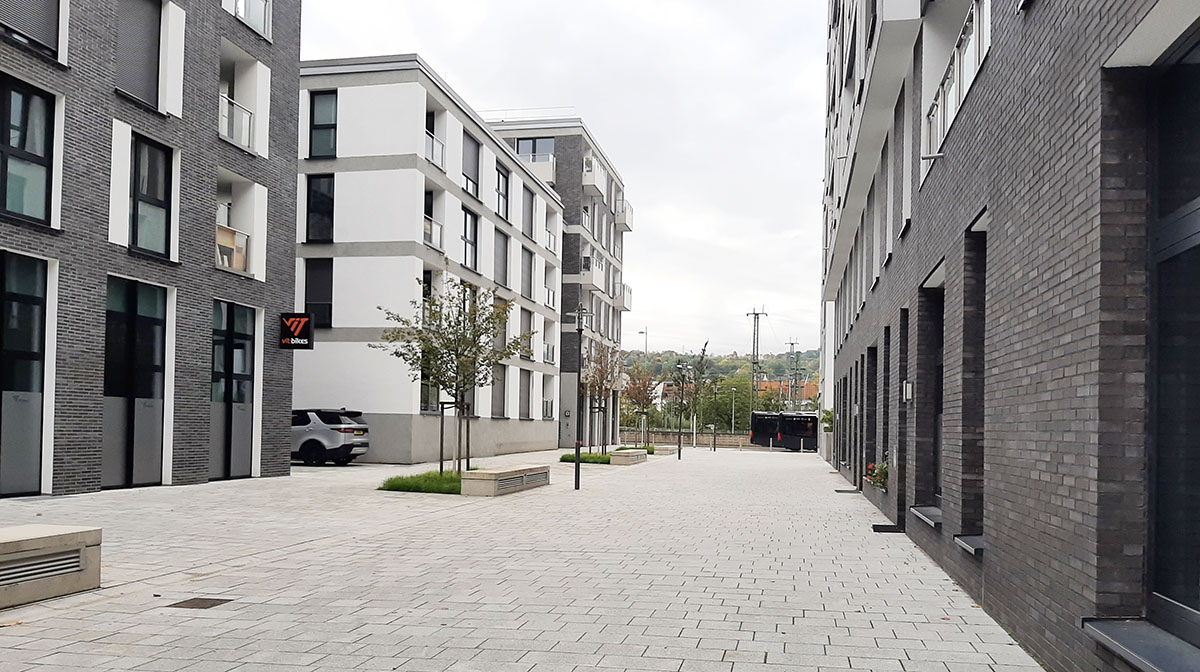
A German example of an innovative energy supply concept
A visit to learn from an almost climate neutral multi-use city district near Stuttgart.
-
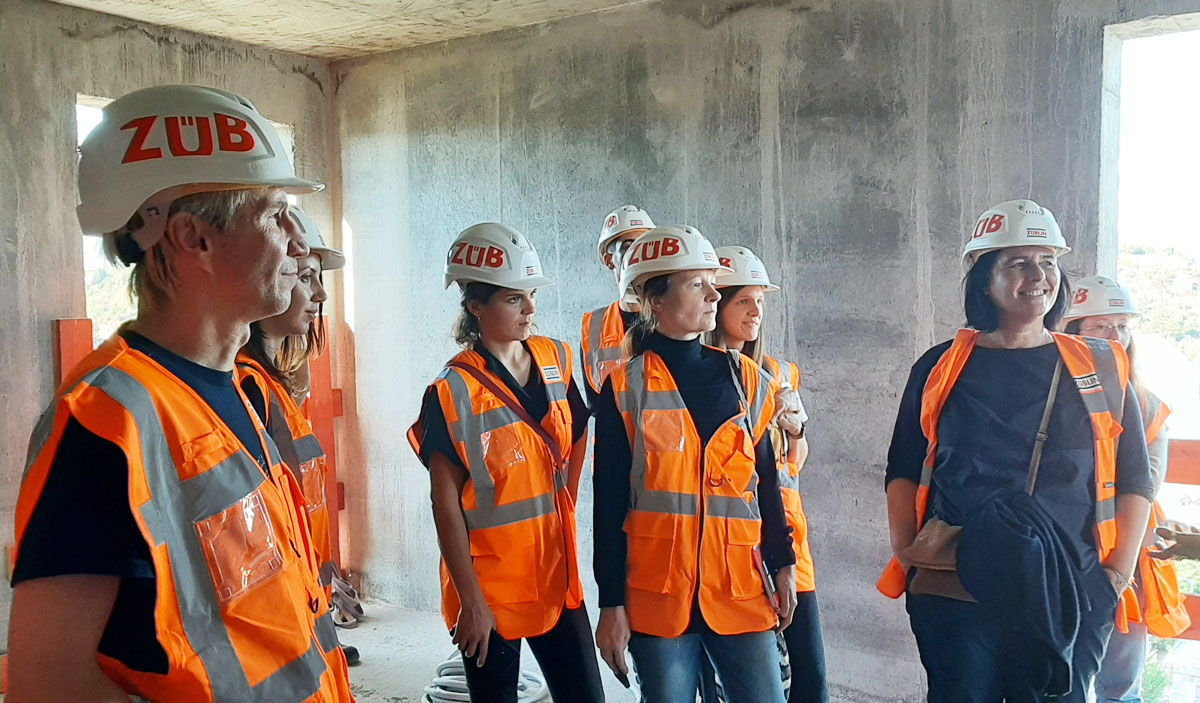
Keeping grip on the process as a team
While visiting a project in Germany we learn how important it is to keep grip on the process as a whole team.
-
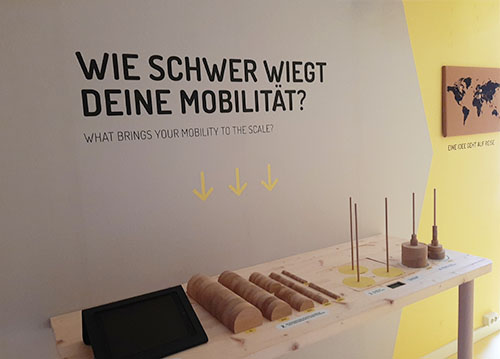
Different numbers – different perspectives
In order to learn from existing best practices we went to Germany to see how things are done there. But there is a difference in the numbers Germans and Austrians use.
-
Comparing alternatives to see what works best
In this research project RWT plus brings in their knowledge on building physics. Four construction alternatives will be assessed on their performance with regard to climate neutrality.
-
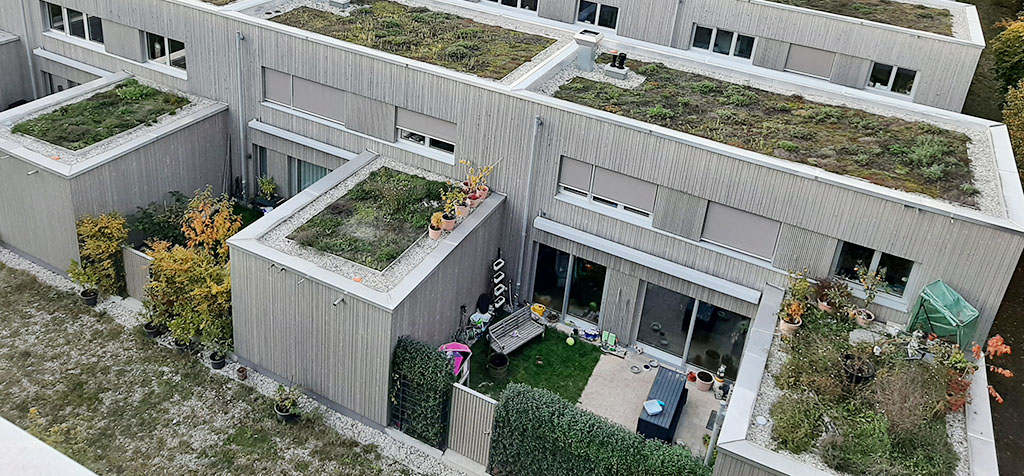
Building in wood in Munich
To learn from others we have visited different projects in Germany. There are similar rules with regard to building in wood as what we apply in our project in Vienna.
𑁉}


{𑁉